Native American Last Names: Why There Is No Single List and What a Surname Can Tell You
There is no single list of Native American last names. There are hundreds of tribes and nations, and many Native families carry surnames from English, French or Spanish, while others use names from their own languages. A surname alone is never proof of Native ancestry, and not having a certain name does not rule it out. Below is a respectful look at why Native surnames vary so much, how European-language names entered many families, and what to do instead of searching for a "list."
Tap a surname to see how names like these may have come to a family.
▶ Check how you're related in the free calculator
Why there is no one list
"Native American" covers hundreds of separate nations, each with its own languages, history and ways of naming people. Some nations traditionally used names that changed over a person's life, and surnames in the European sense were not always part of that. Each nation also has its own say about who its citizens are. So a list titled "Native American last names" would mix very different peoples together, and it would likely be wrong for most of them.
Why many Native families carry English, French or Spanish surnames
- Trade and intermarriage. Families formed across cultures, and children often took a European father's surname.
- Missionary and church records. Baptism and marriage records were kept in European languages, using names recorded by the clergy.
- Government and school records. Officials, agents and schools recorded names, sometimes by sound, sometimes by replacing them. Spellings in these records could differ from how families said them.
- Regional history. In the Great Lakes and Canada, French names are common; in the Southwest, Spanish names are common; in the East and South, English and Scottish names are common.
This history is part of why surnames are poor evidence for ancestry. The same name can belong to many unrelated families of every background.
Examples of how names arrived
| Region or setting | Names you often see | Why |
|---|---|---|
| Eastern and Southern nations | English, Scottish and Irish surnames | Trade, intermarriage and recorded names |
| Great Lakes and Canada | French surnames | The fur trade and church records |
| The Southwest | Spanish surnames | Spanish records and mission history |
| Many nations | Names from tribal languages | Some families keep or have restored them |
Cherokee last names and other tribe-specific searches
People often search for "Cherokee last names," but there is no fixed Cherokee surname list. Many Cherokee families carry English, Scottish or Irish names, and some have names from the Cherokee language. The same is true for other nations. If you think you have ancestors from a particular tribe, look at records and the tribe itself, not at a surname list. See our Cherokee DNA guide for what testing can and cannot show.
Is my last name Native American?
A surname cannot answer this question. A family story about a Native grandmother is worth exploring, but it needs records to back it. Many family stories turn out to be true, and some do not match the records. Both are normal in family history.
What to do instead
- Talk to elders. Ask where family lived, and what names, places and communities they remember.
- Gather records. Birth, marriage and death records, census records, church records and military records can show where ancestors lived.
- Follow the line back, one generation at a time, to the place and time you think the ancestor lived.
- Contact the tribe. Each tribe sets its own rules for citizenship and has its own process. Ask them directly, and be respectful of their answer.
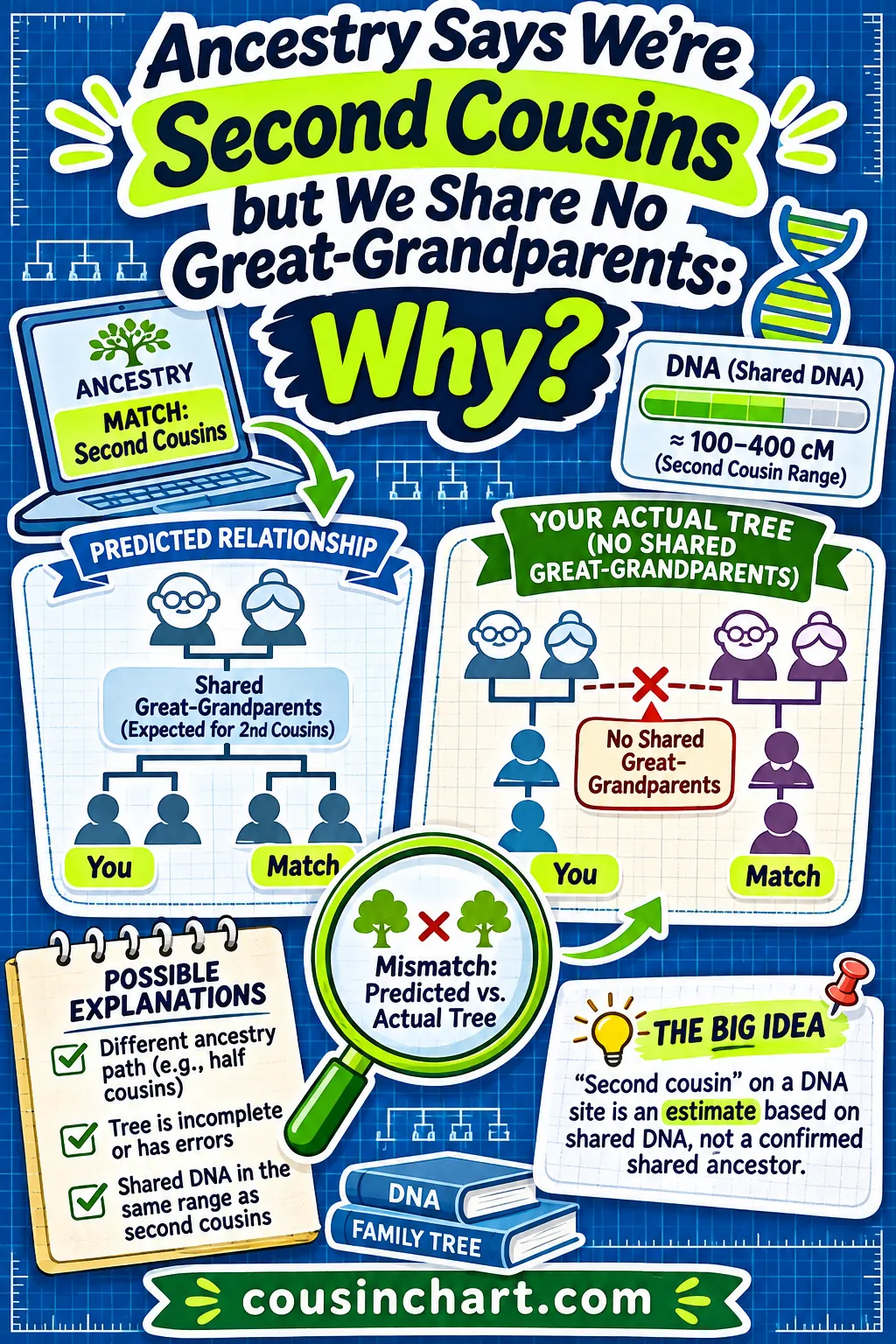
- Consider DNA carefully. A test may show cousins but cannot say you belong to a tribe.
Our guide on how to prove Native American ancestry and the Native American DNA testing guide cover the steps in more depth.
Native American Heritage Month
Native American Heritage Month is observed each November. It is a good time to learn from Native-led sources, such as tribal websites and museums, and to listen to the stories of Native families in their own words.
Common mistakes
- Using a surname as proof. A surname is only a clue.
- Looking for one master list. Each nation is different.
- Assuming a family story is wrong or right. Test it with records.
- Claiming citizenship without the tribe's own process. Only a tribe decides its citizens.
- Ignoring spelling changes. Names in old records were often written by ear.
More guides
For general surname origins, see what country is my last name from? You may also like African American last names and blood quantum explained.
Found a new relative along the way? The free relationship calculator shows exactly how you are related.
▶ Check how you're related in the free calculator
Frequently Asked Questions
Is there a list of Native American last names?
No. There are hundreds of tribes and nations, and many families carry surnames that came from English, French, Spanish or tribal-language sources. No single list can cover them.
Are there Cherokee last names?
There is no set list of Cherokee surnames. Many Cherokee families carry English, Scottish or Irish surnames, and some carry names from the Cherokee language. A surname alone does not show Cherokee ancestry.
Does my last name prove I am Native American?
No. A surname is not proof of ancestry, and not having a certain name does not rule it out. Records, family history and sometimes DNA are better clues.
Why do so many Native families have English, French or Spanish surnames?
Through trade, missionary and government records, schools, intermarriage and the practice of recording names in the languages of settlers, many families came to use European-language surnames.
How do I find out if I have Native ancestry?
Start with family records and documents. Each tribe sets its own rules for citizenship, so contact the tribe directly. Our guides on proving ancestry and DNA testing explain the steps.