Family Patriarch and Matriarch: What the Titles Mean
A family matriarch is the senior, most influential woman in a family — usually the eldest mother or grandmother whom relatives look to for wisdom, decisions, and holding everyone together. A family patriarch is the same role for a man: the senior leading figure of the family line. Both titles are about respect and influence, not any legal power.
That's the core meaning. But these words carry a lot of texture — where they come from, how someone "becomes" the matriarch or patriarch, and how the roles differ from a purely genealogical "head of the family." This guide walks through all of it in plain language. And if you're mapping who sits at the top of your own family tree, the free relationship calculator can help you place every generation correctly.
Relationship quick-check. Tap a phrase to see the term:
The answer will appear here.
Matriarch vs. Patriarch: The Simple Difference
The two words are mirror images. The only difference is gender:
- Matriarch — from Latin mater (mother) — the senior, most respected woman in a family.
- Patriarch — from Latin pater (father) — the senior, most respected man.
Both describe the person who tends to be the family's anchor: the one who hosts the holidays, keeps the traditions, settles disputes, and remembers everyone's stories. In many families the matriarch and patriarch are a married couple — a great-grandmother and great-grandfather at the head of the table. In others, one has passed away and a single elder holds the role.
Crucially, neither title grants legal authority. A matriarch can't sign your contracts or override a will just by being the matriarch. The power is social and emotional — the weight of respect, not the force of law.
How Someone Becomes the Matriarch or Patriarch
There's no ceremony and no election. The role usually settles on a person through a mix of factors:
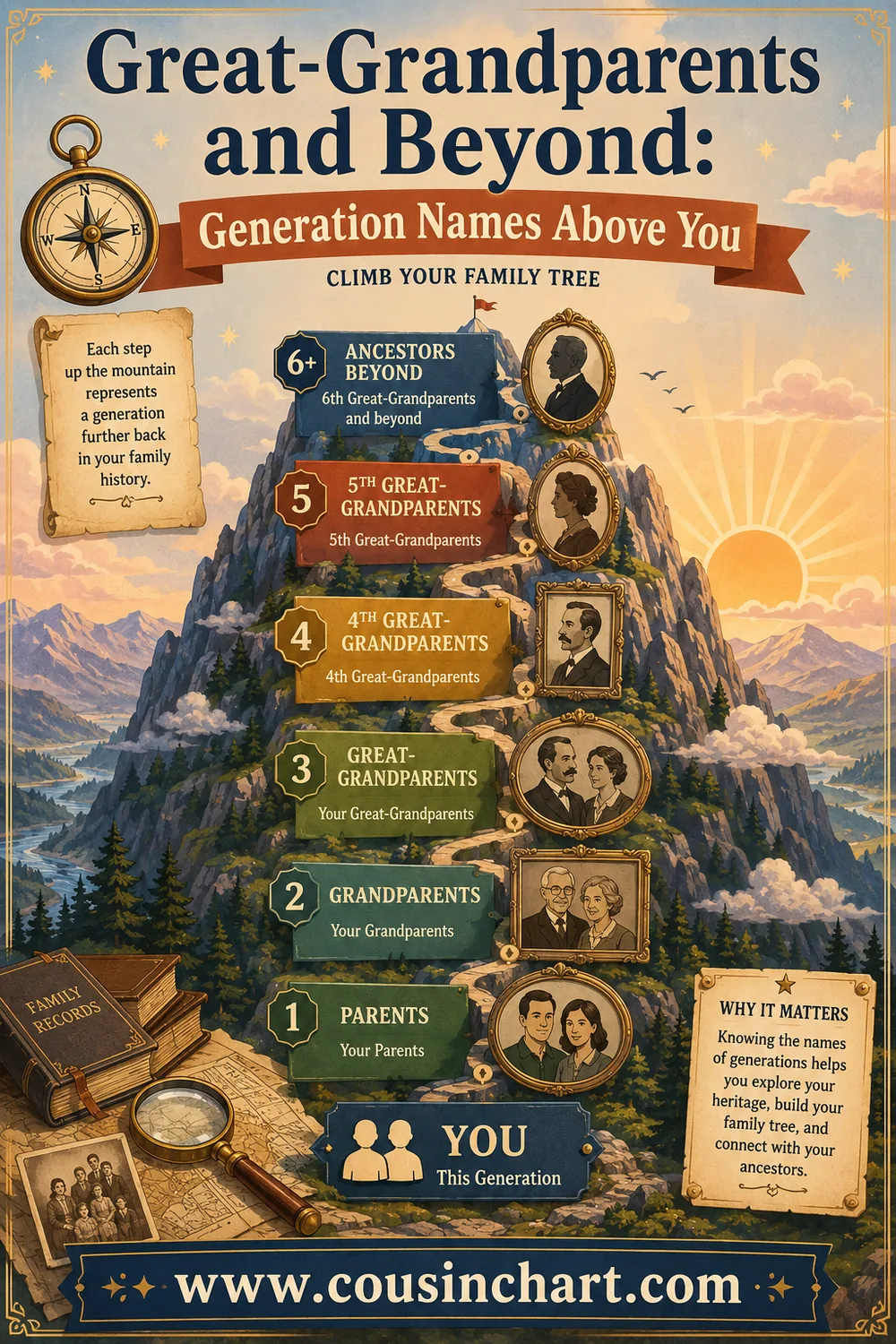
- Age and generation. The matriarch or patriarch is almost always from the oldest living generation — the great-grandparent or grandparent whose descendants fan out below them. Our great-grandparents chart shows exactly how those top generations stack up.
- Character. Not every elder becomes the family anchor. It tends to be the one with the strongest presence — the organizer, the peacemaker, the keeper of recipes and history.
- Continuity. The title often passes down. When a matriarch dies, her eldest daughter or the next natural leader frequently steps into the role over time.
So being oldest helps, but it isn't everything. Plenty of families have a matriarch who is a force of nature at 70 while an older, quieter relative is simply "the elder," not "the matriarch."
Matriarch vs. Head of the Family vs. Progenitor
These three ideas get tangled, so here's each one cleanly separated:
| Term | What it means | Based on |
|---|---|---|
| Matriarch / Patriarch | The senior leading woman or man of the family today | Respect, age, influence |
| Head of household | The main person in one household (a census/legal term) | Legal or administrative role |
| Progenitor | The earliest known ancestor the family descends from | Genealogical position |
A progenitor is a genealogy word: the founder of a family line, sometimes many centuries back, whom everyone traces to. A head of household is a paperwork role tied to a single home. The matriarch or patriarch is the living, present-day figurehead. One person can be more than one of these, but the concepts are distinct.
Matriline and Patriline: The Lines Behind the Words
The roots of "matriarch" and "patriarch" also show up in how genealogists describe family lines:
- Your matriline (maternal line) runs mother to mother to mother — you, your mom, her mom, and so on. It's the line mitochondrial DNA follows.
- Your patriline (paternal line) runs father to father to father, and is the line a surname and Y-DNA typically follow.
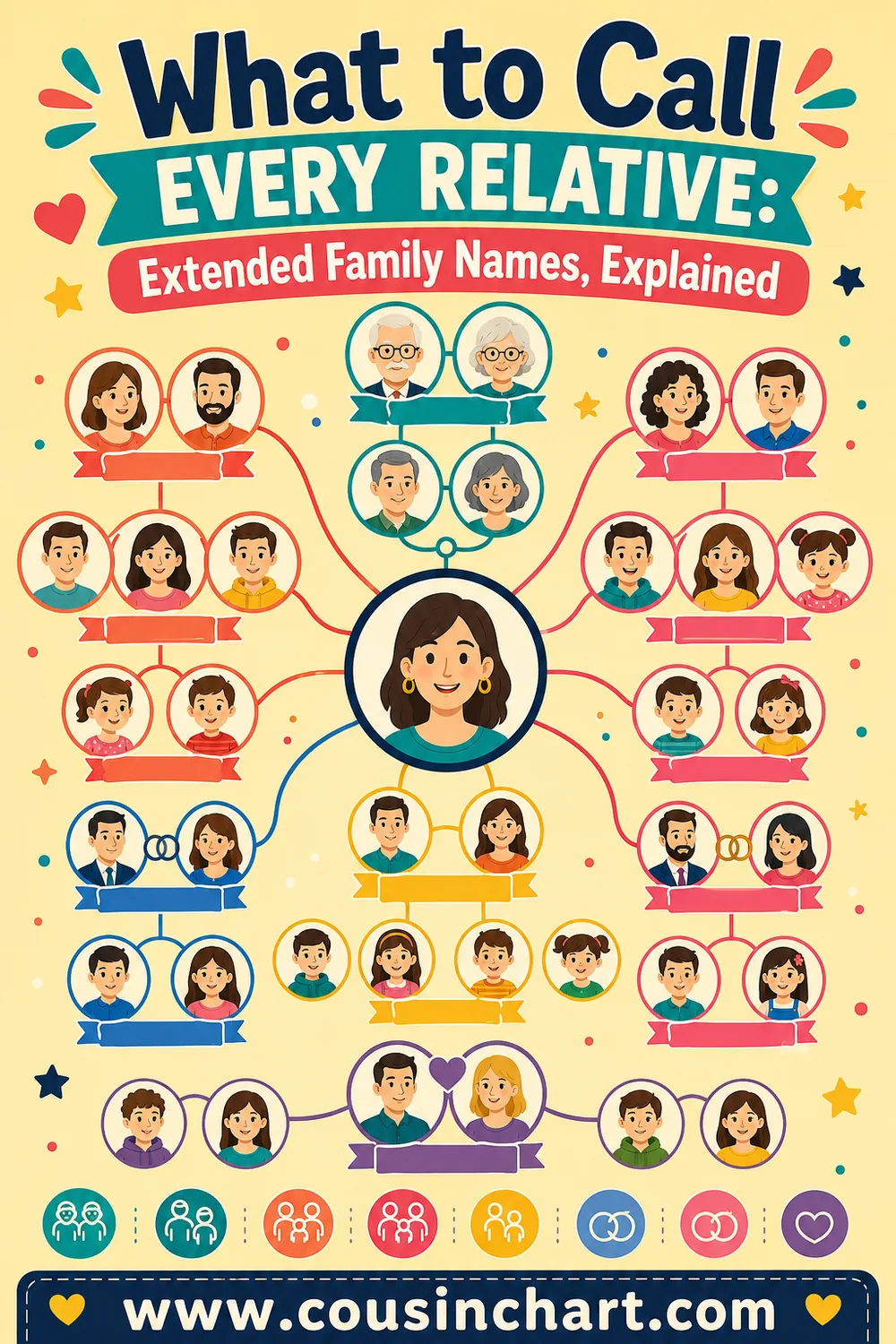
A matriarch doesn't have to sit on the matriline, and a patriarch doesn't have to sit on the patriline — the leadership role and the DNA line are separate ideas. But the shared Latin roots are a handy memory hook: matri = mother's side, patri = father's side. If you want to see which relatives fall on which side, what to call every relative sorts the whole extended family out.
Why These Roles Matter (Beyond a Title)
The matriarch or patriarch is often the living library of a family — the person who knows why Great-Uncle Sal moved to Chicago, which side the red hair comes from, and what the old country was really like. That makes them priceless for two reasons:
- Family history. Once an elder is gone, their memories usually go too. The stories, names, and dates locked in a matriarch's head are frequently the only record a family has of its 19th- and early-20th-century past.
- Cohesion. These figures are the reason scattered relatives still gather. When the anchor passes, many families notice the reunions quietly shrink — which is exactly why capturing their knowledge early matters.
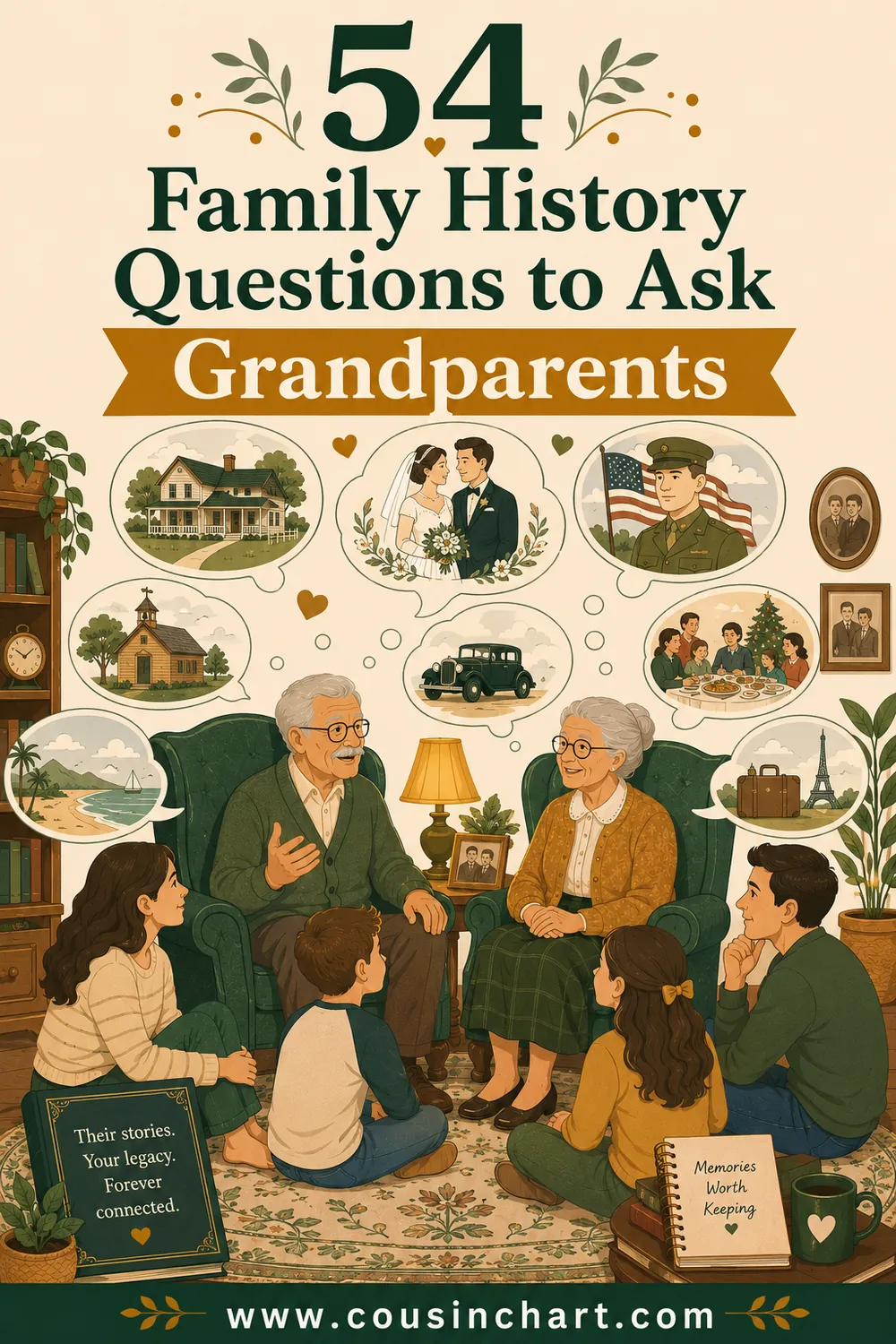
If your family has a matriarch or patriarch still with you, our list of questions to ask grandparents is built for exactly this — gentle prompts that pull out the stories before they're lost.
A Note on Matriarchy and Patriarchy
Two bigger words share these roots and are worth not confusing:
- Matriarchy / patriarchy describe entire social systems — a whole society organized around female or male authority, inheritance, or descent. That's an anthropology-scale idea.
- Matriarch / patriarch describe one person in one family.
So calling Grandma the family matriarch says nothing about whether your family is a "matriarchy" in the anthropological sense. It just means she's the beloved, respected woman at the center of things.
Where the Words Come From
Both titles reach back to the ancient world. "Patriarch" entered English through Greek patriarkhēs — from patria (family or lineage) and arkhein (to rule) — and was long used for the founding fathers of biblical tradition, figures like Abraham, Isaac, and Jacob, who were literally called "the patriarchs." From there it broadened to mean the venerable senior man of any family.
"Matriarch" is actually the younger word. It was coined later by analogy, swapping the patri- root for matri- (mother), to give the female role a matching title. That history is a small clue to how these roles were viewed for centuries: the male version came first and carried formal weight, while the female version had to be built to match. In practice, of course, families have always had powerful matriarchs — the word simply took longer to catch up to the reality.
The Matriarch's Modern Role
Today the balance has shifted, and in many families the matriarch is the more visible anchor of the two. She's frequently the keeper of connections — the one who remembers birthdays, organizes the holiday meal, keeps the group chat alive, and makes sure the far-flung cousins still feel like one family. Sociologists sometimes call this invisible labor "kin-keeping," and it's most often the matriarch doing it.
That role has real consequences. Studies of family cohesion consistently find that when the central kin-keeper is active, extended families gather more, share more, and stay closer. When that person steps back or passes on, the wider family often drifts apart unless someone else picks up the work. Understanding who your family's matriarch or patriarch is, then, isn't just about a title — it's about recognizing the person quietly holding everyone together, and appreciating them while they're here.
FAQ
What does family matriarch mean?
The family matriarch is the senior, most influential woman in a family — usually the eldest mother or grandmother. She's the emotional anchor: the one who keeps traditions, hosts gatherings, and holds relatives together. The title reflects respect and influence, not legal authority.
Is the matriarch always the oldest woman?
Usually, but not always. The matriarch is typically from the oldest living generation, yet the role also depends on character and presence. Sometimes a slightly younger but stronger-willed relative becomes the anchor while an older woman is simply "the elder."
What's the male version of matriarch?
Patriarch. It comes from the Latin pater, meaning father, and describes the senior, most respected man in a family — often the eldest grandfather or great-grandfather. Matriarch and patriarch are mirror-image titles that differ only by gender.
Is a matriarch the same as the progenitor of a family?
No. A progenitor is the earliest known ancestor a whole family descends from, often generations in the past. A matriarch is the living, present-day leading woman. One is a genealogical starting point; the other is today's family anchor.
Does the matriarch or patriarch have legal power over the family?
No. The role is entirely social and emotional. A matriarch or patriarch commands respect and often shapes family decisions, but the title itself grants no legal control over relatives, money, or estates — those follow the law, not family standing.
Find Everyone's Place in the Family
Every family has its anchor — the matriarch or patriarch whose table everyone gathers around. Understanding the title is really about understanding where the generations sit and how they connect. If you're building out your own tree and want to place each relative correctly beneath that senior generation, the free family relationship calculator names any connection instantly, and it pairs perfectly with a keepsake session of recording your elder's stories before they fade.